
Irish Terrier
Currently Unavailable
Medium BreedWant a Irish Terrier?
Be the first to know when puppies become available
Similar Breeds With Puppies Available
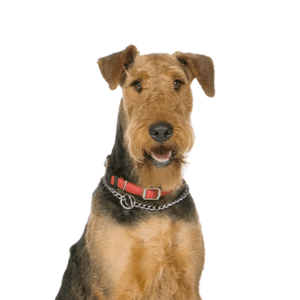


About Irish Terrier
### Discover the Irish Terrier: A Perfect Companion for Active Families
If you’re looking for a lively and affectionate dog to join your family, the Irish Terrier could be the perfect match! Known for their spirited nature, these medium-sized pups are particularly well-suited for families with young children. Their friendly disposition and adaptability make them wonderful companions. Just be aware that while they can get along well with the little ones, their interactions with other pets—especially dogs and cats—may not be as harmonious.
When it comes to energy, Irish Terriers are bundles of joy! With a moderate energy level, they’re ready to embark on daily adventures with you. Aim for regular exercise, as they love to explore their surroundings. Whether it’s a long walk or playtime in the yard, keeping them active will help maintain their happy demeanor. However, they aren’t the ideal choice for apartment living, as they thrive in homes where they can enjoy a bit of space to roam.
Grooming an Irish Terrier involves some dedication, as they require weekly brushings to keep their distinctive wiry coat healthy and looking sharp. While they do shed a moderate amount, regular grooming will keep your home clean and your pup feeling great! Training, on the other hand, may be a little more challenging. These spirited dogs have a lower trainability level, which might require some patience and persistence. Early socialization and consistent, positive reinforcement are key to creating a well-rounded companion.
Health-wise, be sure to keep an eye on common conditions that can arise in Irish Terriers. Regular vet check-ups are essential to ensure your furry friend stays in tip-top shape. If you’re ready for a lively companion who enjoys playtime and family cuddles (though not too much affection), the Irish Terrier could be the perfect addition to your family!
Energy & Exercise
Living Environment
Family & Social
Care & Grooming
Trainability & Temperament
Purpose Aptitude
Learn More About Irish Terrier
Irish Terriers are known for their spirited and friendly nature, making them a delightful addition to any family. They thrive in active households and are particularly good with young kids, showcasing a protective streak full of affection. However, due to their independent nature, they may not be the best fit for families with other dogs or cats, as they can display a bit of a stubborn streak around them.
This breed boasts a solid energy level, requiring regular exercise to keep them happy and healthy. Daily walks and playtime in a secure area will satisfy their energetic needs while preventing boredom. Just remember, an engaged Irish Terrier is a happy Irish Terrier, so plenty of activity is essential!
Irish Terriers have a wiry coat that needs to be groomed weekly to maintain its condition and reduce shedding. Despite their medium size, they aren’t the most apartment-friendly, so a home with a yard is ideal. Regular grooming not only keeps their coat in check but also strengthens the bond between you and your furry friend.
While Irish Terriers might come across as a bit of a challenge when it comes to training, they certainly have the capability to learn. With consistent, positive reinforcement methods and plenty of patience, you'll find success eventually. Just keep in mind that their independent spirit can make them a bit headstrong; so approach training with a kind but firm hand!