April 8, 2020
Even if your pet is always indoors, it’s a good idea that they have an ID tag on at all times. Disasters, accidents, and escapes can happen when you least expect it, regardless of how well-trained your pet is. Psychology Today reports that less than 2% of cats and only 15 to 20% of dogs come back home to their owners. Many of these unidentified pets end up in shelters without being claimed or as stray animals in the streets, where they’re exposed to various dangers.
An ID tag gives your pet the chance to be identified and returned home to you safe and sound. It also lets others know that your pet belongs to a person. Just like humans who have ID cards on them all the time, pets need ID tags for their own safety and wellbeing. Here are the top 5 reasons why your pet needs an ID.
1. ID tags are easy to read.
ID tags often display your pet’s information in clear text. This makes it easy for anyone who finds your lost pet to learn what your pet’s name is and your contact information. Your pet may also have a microchip, but they must be taken to a shelter or a veterinarian to have it scanned. It’s a process that takes longer than reading contact information on a tag. Some ID tags also come with digital profiles that contain valuable information about your pet’s contact and medical information, allowing others to identify external injuries and provide your furry bestie with sufficient care until they’re returned.
2. Your pet can return home.
From natural storms to a faulty fence, your pet can become separated from you through a variety of unforeseen events. Because an ID tag usually comes with contact information, it’s easy for rescuers to call and locate you quickly. Some owners may choose to mark the word “reward” onto a pet’s ID tag. This helps encourage strangers to return your pet faster through a positive incentive. Of course, you will need to provide an actual reward if your pet comes back home through this manner.
3. ID tags show your pet isn’t a stray.
Many people refuse to touch or go near an animal that “looks” like a stray. Stray pets usually don’t have any form of external identification on them. Therefore, if your pet doesn’t have a collar with an ID tag, most strangers will mistake them as a stray animal. This ruins the chances of your pet’s return. An animal wearing an ID tag and collar allows others to identify them as a pet—a member of one’s family—which can lead them to stop and help the animal get home as soon as possible.
4. ID tags provide more information.
Does your pet have special health issues? If so, it’s impossible for your pet to communicate any injuries or conditions they have to rescuers when they’re lost. An ID tag can provide extra information about your pet’s health conditions, including their disabilities, allergies, and medical conditions. This lets those who directly interact with your pet become aware of their health issues so that they treat them with special care while they locate you.
5. ID tags can be stylish.
There is a wide range of beautiful tags that owners can stylize for their pets within a reasonable budget. Choosing a stylized ID tag is also lots of fun! Which ID tag best fits your pet? Is black or red their color? It may take a while to produce the best ID tag but it’s well worth the time and effort you spend in the selection process. From princess to sports ID tags, your pet’s personality can shine bright through their identification. These types of tags are also easy to identify with a pet’s collar so strangers may be willing to approach them.
ID tags are one of the best ways to ensure your pet is safe when they’re lost. These tags, along with a microchip, identify your pet and where they come from, ensuring that your pet safely makes their way back to you (with some help from kind strangers!). It’s for this reason we honor and inform pet owners about the importance of ID tags during National Pet ID Week so that when pets are lost, they will be able to find a safe way back home. We hope that these tips help you protect your pet and ensure their safe return home.
Check out our blog, 3 Tips to Ensure Your Puppy Never Gets Lost for more tips on proper identification for pets.
✓ The information on this website is for general educational purposes and is not a substitute for professional veterinary advice.
Related Articles
-

Blog, Petcare, Petland, Veterinary
AKC Registration With Health Testing: What Every Future Puppy Parent Should Know
New puppy parents quickly encounter many unfamiliar terms. Two of the most common are AKC registration and health testing. Because these terms appear often, and refer to two differ... -
Cats, Dogs, Healthy & Happy Pet Tips, Rabbits, Tips
How to Introduce Your New Puppy to Your Household Pets
They say you never get a second chance to make a first impression, which couldn’t be more true for animals! This article will cover protocols and best practices for introdu... -

Dogs, Healthy & Happy Pet Tips, Tips
5 Adorable DIY Halloween Costumes for Puppies
What’s cuter than a puppy? A puppy dressed up in a Halloween costume! With the spookiest holiday of the year coming up in just a couple weeks, you might be asking yourself how yo... -

Blog, Dogs, Healthy & Happy Pet Tips, Tips
How to Keep Your Puppy Safe & Happy While You’re at Work
Getting a new puppy is a huge joy and a big responsibility. Before you bring your first furry friend home, it’s a good idea to plan how you’ll keep your puppy safe and content ... -
Blog, Dogs, Healthy & Happy Pet Tips, Training
How Often Should I Train My Puppy?
They say that the memory of a goldfish doesn’t last longer than 30 seconds, but how long will it take for a puppy to forget the last training session? For new puppy parents... -
Blog, Dogs, Healthy & Happy Pet Tips
Bonding Tips for First Time Puppy Owners
In this article, you’ll learn how training your puppy is the most effective means of fostering the bond between you two, and you’ll discover fun ways to train your puppy that w... -
Blog, Dogs, Healthy & Happy Pet Tips
Is Puppy Health Care Insurance Worth the Expense?
Did you know that dogs need health insurance? You don’t want to wait until your dog has health problems to enroll in doggie health insurance. If you do, the insurance company cou... -

Blog, Dogs, Healthy & Happy Pet Tips, Training
How Do Puppies See the World?
Your brand-new fur baby has quite the personality! Puppies are affectionate, goofy, and highly intuitive to the emotions of their pet parents. Because of this, it can be easy to as... -
Blog, Dogs, Healthy & Happy Pet Tips, Tips, Training
How to Correct 4 Common Puppy Behavior Problems
Your brand-new puppy is an innocent bundle of fluffy joy that can do no wrong! We know the feeling, but sooner or later, reality will set in and you’ll discover that while your p... -

Blog, Dogs, Healthy & Happy Pet Tips
Puppy Crate Training Best Practices
Thinking about the long-term, big picture, you want the puppy you just brought home to mature into a well-behaved adult dog. Crate training your new puppy is a huge part of that. T... -

Blog, Breeds, Dogs, Healthy & Happy Pet Tips
Happy Mother’s Day from Petland Miami
From all of us at Petland Miami, we wish all the mothers out there a very special Mother’s Day! Mother’s Day is coming up this Sunday May 14th. Instead of giving your mom flo... -

Blog, Dogs, Healthy & Happy Pet Tips, Training
Should You Use a Dog Training Collar on Your Puppy?
Each puppy has its own personality. Some puppies are more willful than others, and some dog breeds are easier to train than others. No matter what breed or personality a new puppy ... -

Blog, Dog Supplies, Dogs, Food, Healthy & Happy Pet Tips
6 Ways to Improve Your Puppy’s Diet
Eating a balanced, nutritious diet is important for all domestic pets, no matter what age or type of animal. Growing puppies require specific nutrients in order to develop and live... -
Blog, Dogs, Healthy & Happy Pet Tips
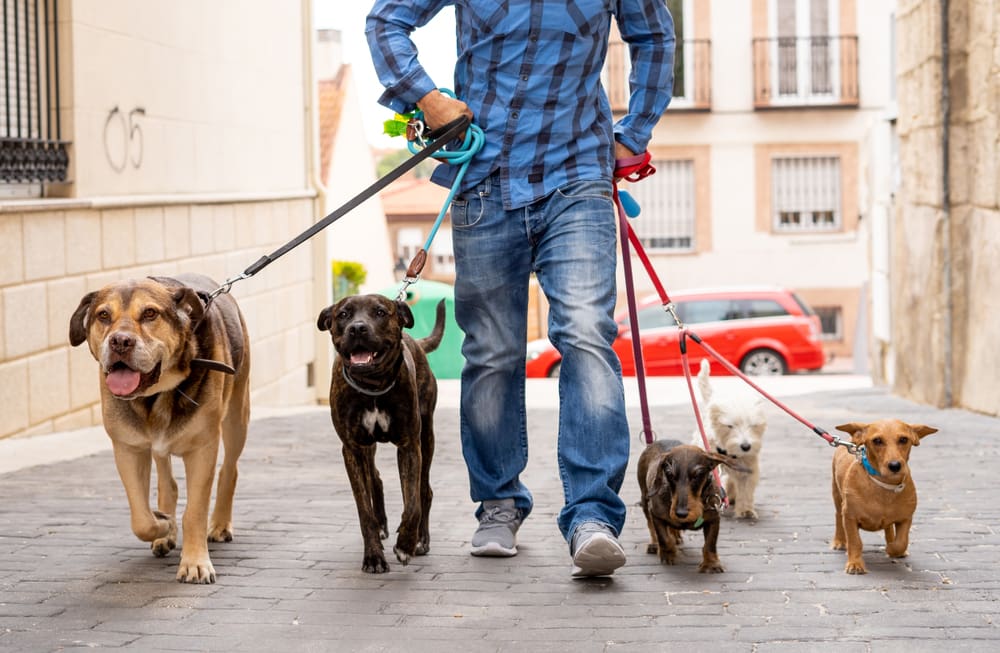
How to Hire the Right Dog Walker
If you’re a new puppy parent, congratulations! You’re em-bark-ing on a journey that’s guaranteed to be filled with love, loyalty, and a lot of memories! For new puppy p... -

Blog, Dogs, Healthy & Happy Pet Tips, Tips
8 Tips for First Time Dog Owners
Bringing your first puppy home is thrilling and nerve-wracking all at once! You want to provide all the love and care that your fur baby will need. And you also want to troubleshoo... -
Blog, Dog Supplies, Dogs, Healthy & Happy Pet Tips, Tips
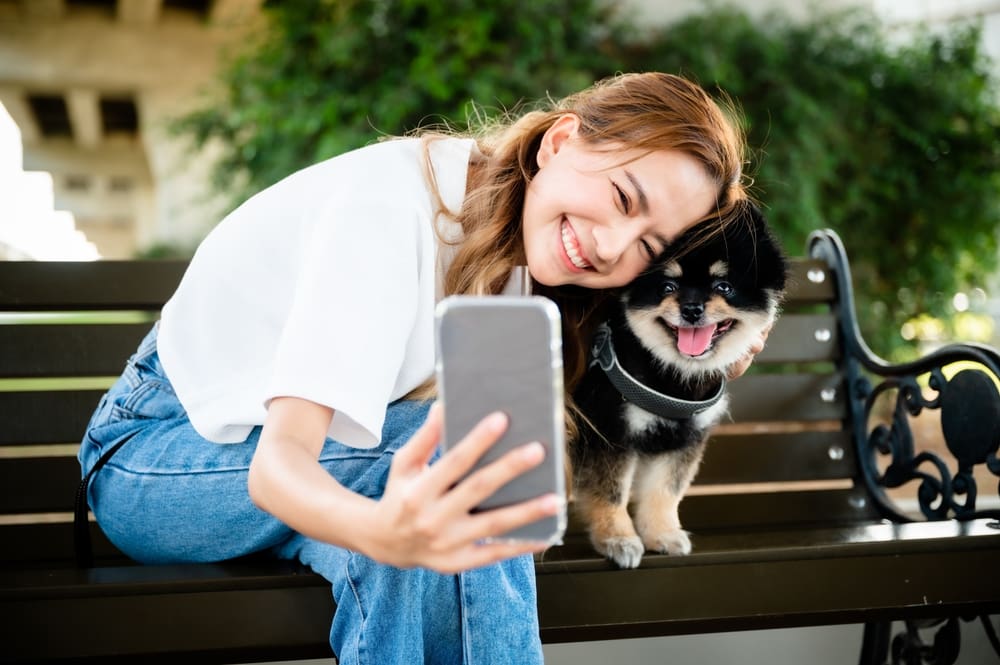
Best New Tech for Puppy Owners in 2023
What unites cutting-edge technology with soft puppies, you ask? The year 2023! Artificial intelligence has been rapidly integrating with everyday devices to transform these p... -
Blog, Dogs, Healthy & Happy Pet Tips, Training
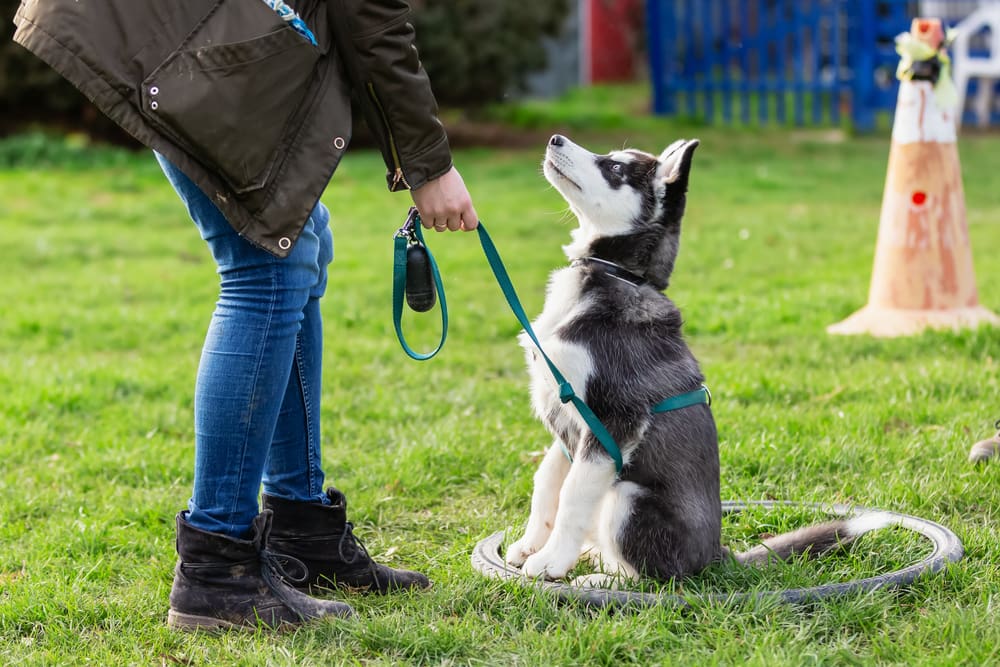
Should You Invest in Puppy Training Classes?
Many new puppy parents assume that training their puppy amounts to making sure the little guy doesn’t pee on the rug. But the fact of the matter is that puppies need their human ... -

Blog, Dogs, Healthy & Happy Pet Tips
Dealing with a High Energy Puppy
If you recently brought home an adorable puppy, you may notice that your new fur baby sleeps nearly all the time. For many puppy parents, this can be cause for alarm, but they soon... -
Blog, Dogs, Healthy & Happy Pet Tips
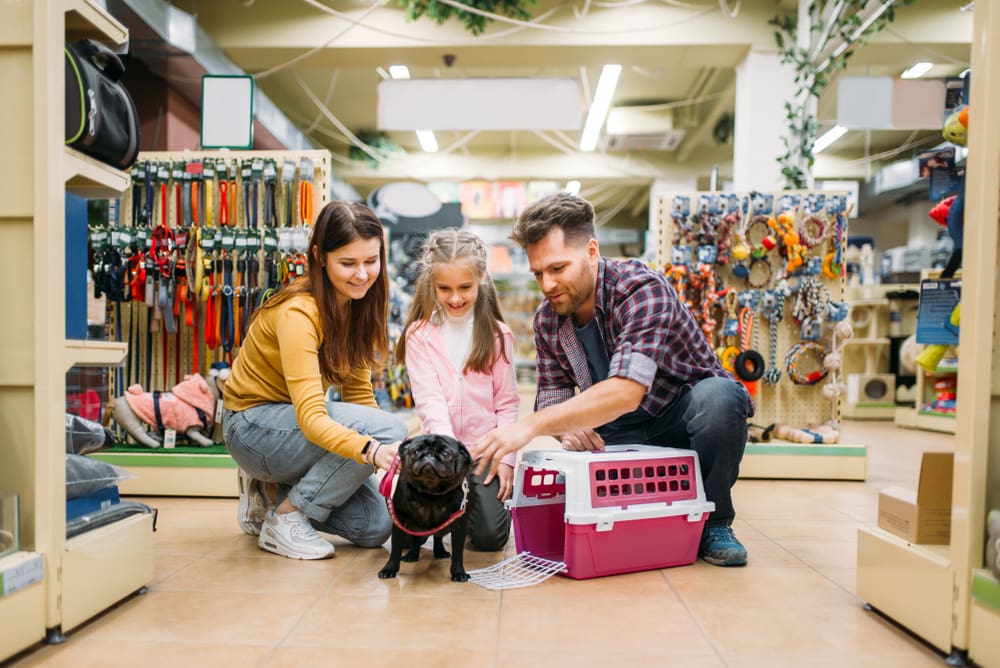
7 Behaviors to Look For in a New Puppy
At Petland Miami, we love helping people pick out the best breed for them and introducing them to our puppies. Our highly-trained pet counselors are true dog breed experts that edu... -
Blog, Dogs, Healthy & Happy Pet Tips
5 Common Mistakes New Puppy Owners Make
Congratulations on your decision to become a pet parent to an adorable puppy! You have many years of happiness to look forward to with your new furry friend. We’re sure that you ... -

Blog, Healthy & Happy Pet Tips
Holiday Fun for Your New Puppy
The holiday season is a magical time of year, especially for those of you who just got puppies! Puppies are the perfect snuggle buddies to make the holidays extra cozy. You’ll ha... -
Blog, Dogs, Healthy & Happy Pet Tips, Tips, Training
How to Crate Train Your New Puppy to Reduce Crying at Night
Puppies experience many significant transitions, back-to-back, during the first few months of their lives. They’re born, wean with their littermates, transfer to pet stores where... -
Blog, Healthy & Happy Pet Tips, Tips, Training
How to Use Treats as Positive Reinforcement
Training your new puppy can feel like a full-time job. It requires patience and remaining firm and consistent. At times, training a puppy can involve getting up at all hours of the... -

Blog, Community Events
Petland Miami Returns to the WOW Center
The entire team at Petland Miami is grateful for being in the business of connecting people with their paw-fect pets and puppies. This Thanksgiving, we returned to the WOW Ce... -

Blog, Dog Supplies, Healthy & Happy Pet Tips
Prepare Your Home for a Puppy
Congratulations! You’re about to bring your very first puppy home! You’re probably bursting with excitement, and you might even be overwhelmed. That’s natural. You want every... -

Blog, Community Events
Petland Miami Gives WOW Center a Visit
On August 19, 2022, our staff and puppies met with our wonderful friends at the WOW Center for another round of puppy therapy. Our puppies enjoyed spending time with their friendsâ... -
Blog, Community Events
Petland Largo Donates A Puppy to Patriot Service Dogs
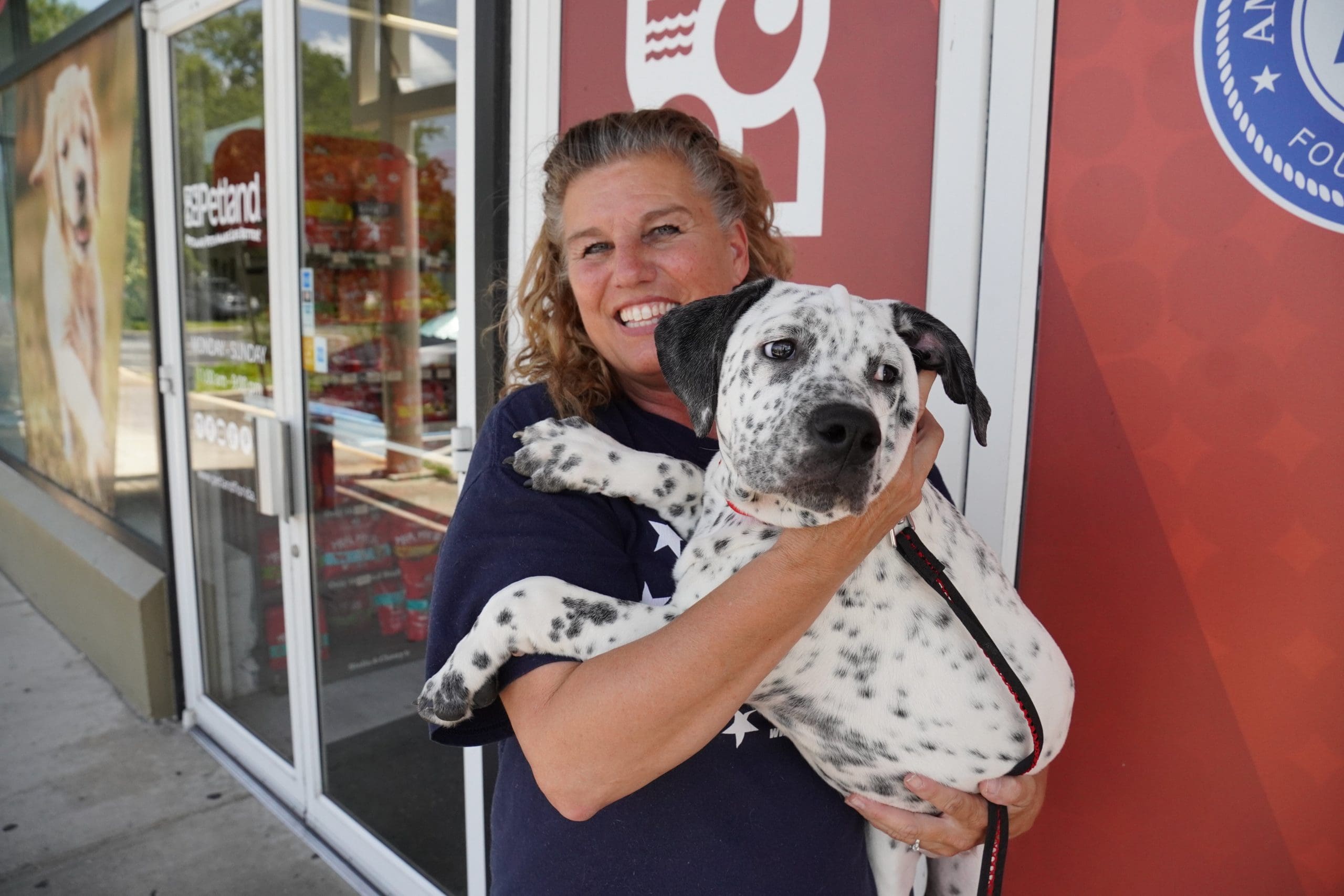
We’re honored to announce that we’ve recently donated one of our adorable puppies to a veteran in need. At Petland Largo, we recently donated our cute puppy to a special ... -
Blog, Community Events
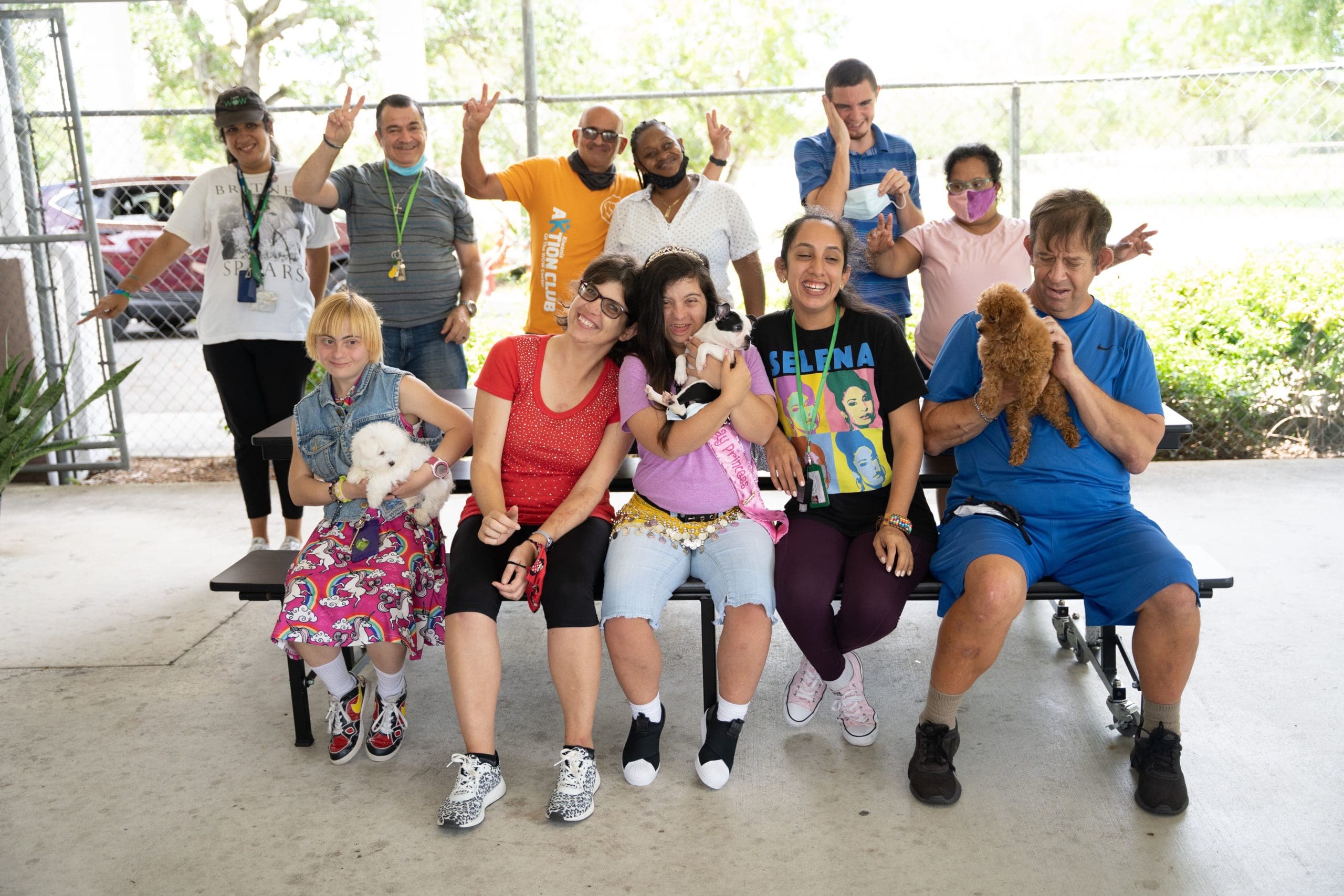
Petland Miami Visits WOW Center for Puppy Therapy
On July 15, 2022, we joined our friends at the WOW Center for a fun, playful session of puppy therapy! Our beautiful, snuggly puppies loved seeing their friends at the center, and ... -
Blog, Community Events, Dogs
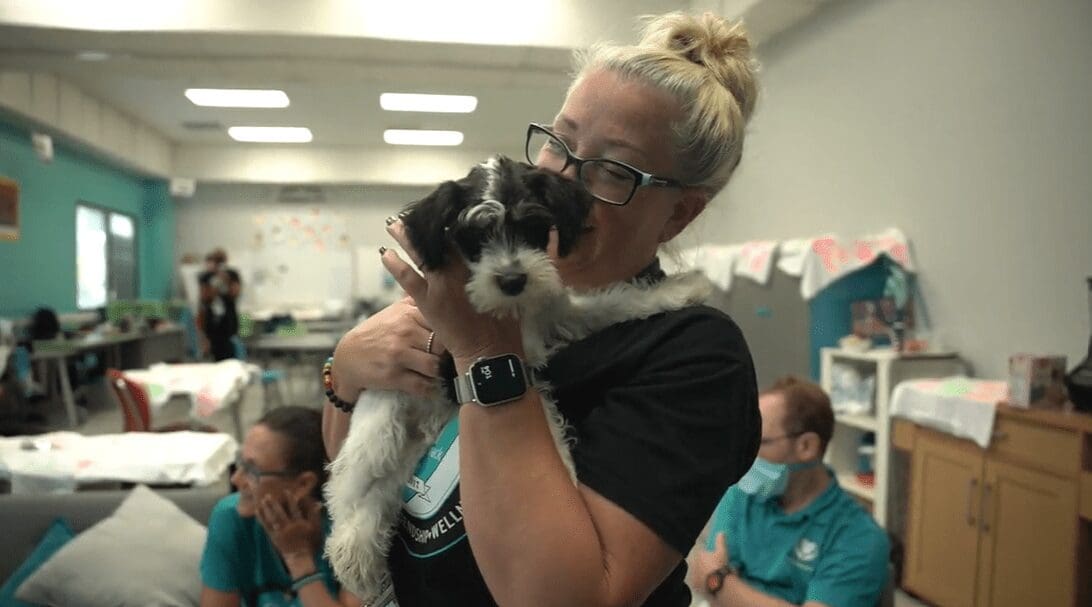
Petland Visits David Posnack Jewish Community Center
On July 15, 2022, our fluffy puppies went to the David Posnack Jewish Community Center (JCC) for an exciting playtime session. Puppy playtime is one of the best ways to de-stress. ... -
Blog, Dog Supplies
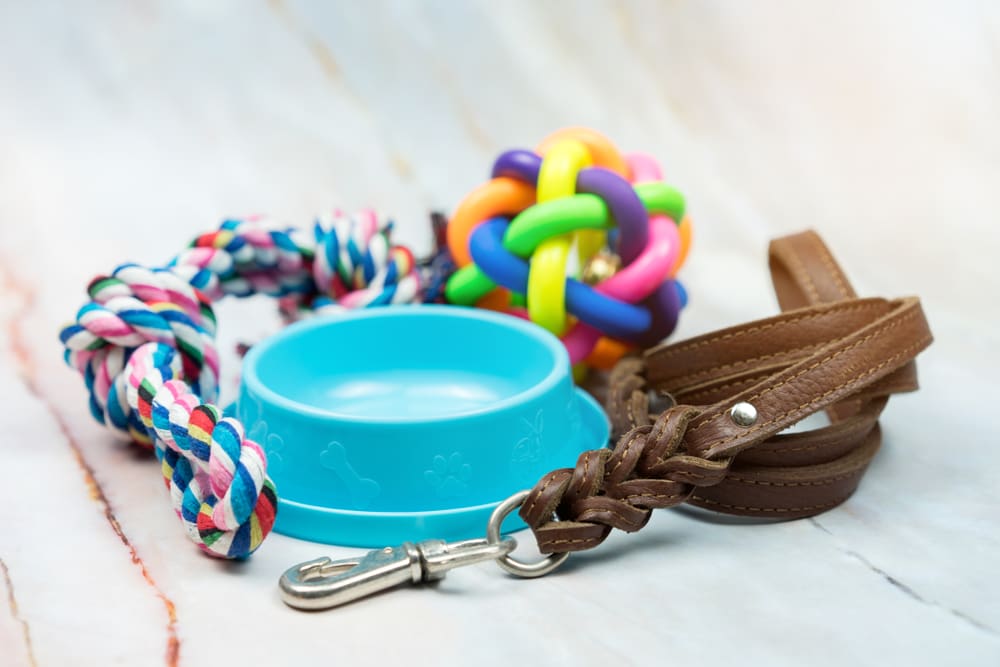
7 Must-Have Puppy Supplies
Getting a new puppy? Congratulations! You have a fur-ever friend you’ll be able to count on for the rest of your life. To ensure your puppy has a happy life, it’s important to ... -
Blog, Community Events, Dogs
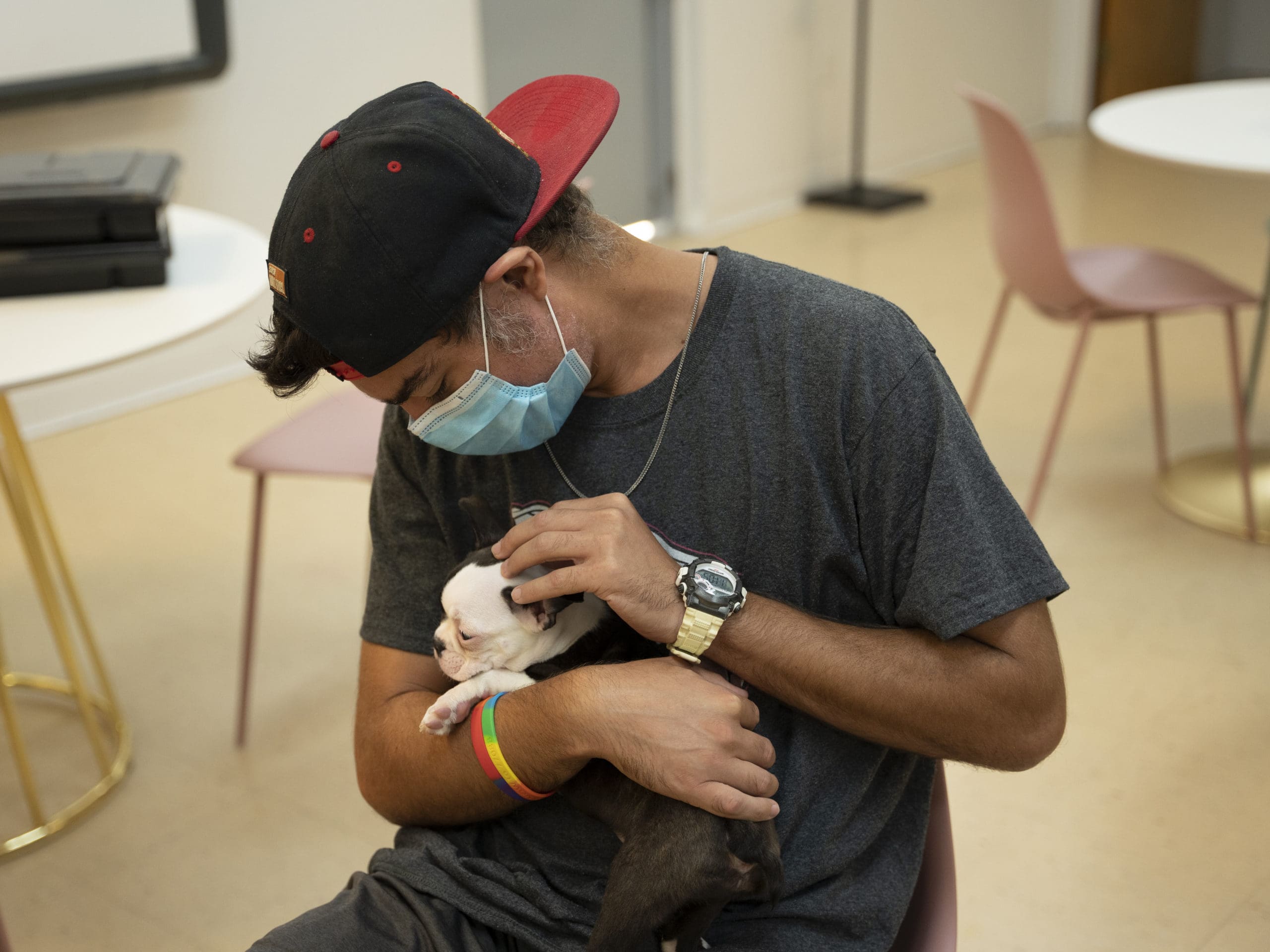
Petland Puppies Give WOW Center a Visit
On May 20, 2022, we took our beautiful puppies to the WOW Center for a fun-filled time of puppy therapy! We were more than happy to see our friendly community at the WOW Center. Ou... -
Blog, Community Events
Petland Hosts In-Store National Pet Day Carnival
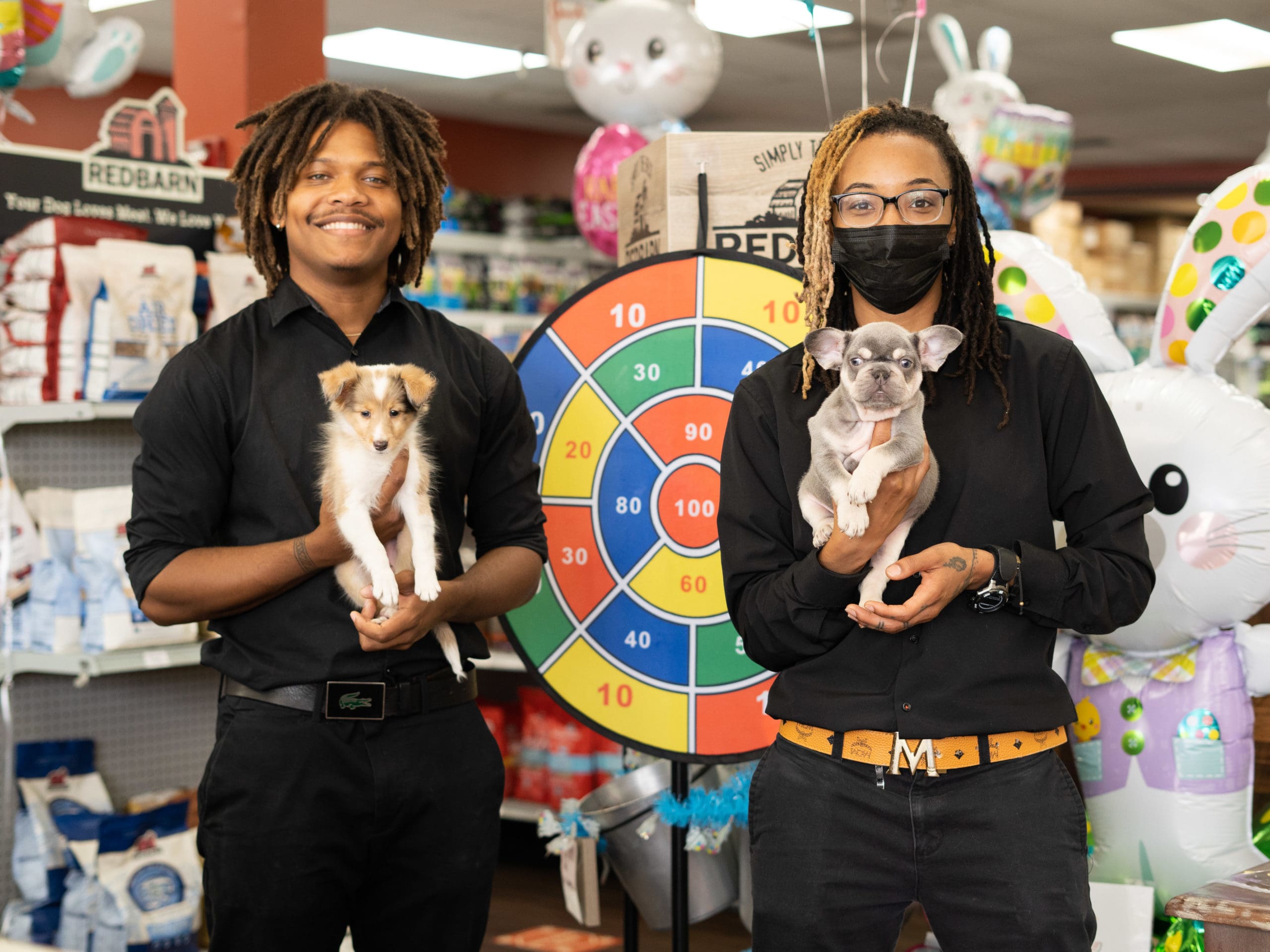
We had so much fun at our National Pet Day Carnival on Sunday, April 10, 2022, at Petland Pembroke Pines. Filled with music and cute puppies, we know everyone who came also had a h... -
Blog, Community Events
Petland Goes to Sodalis of Largo
Our staff at Petland Miami brought our cute and cuddly puppies to the lovely Sodalis Senior Living community in Largo, Florida. We had such a great time introducing the parti...