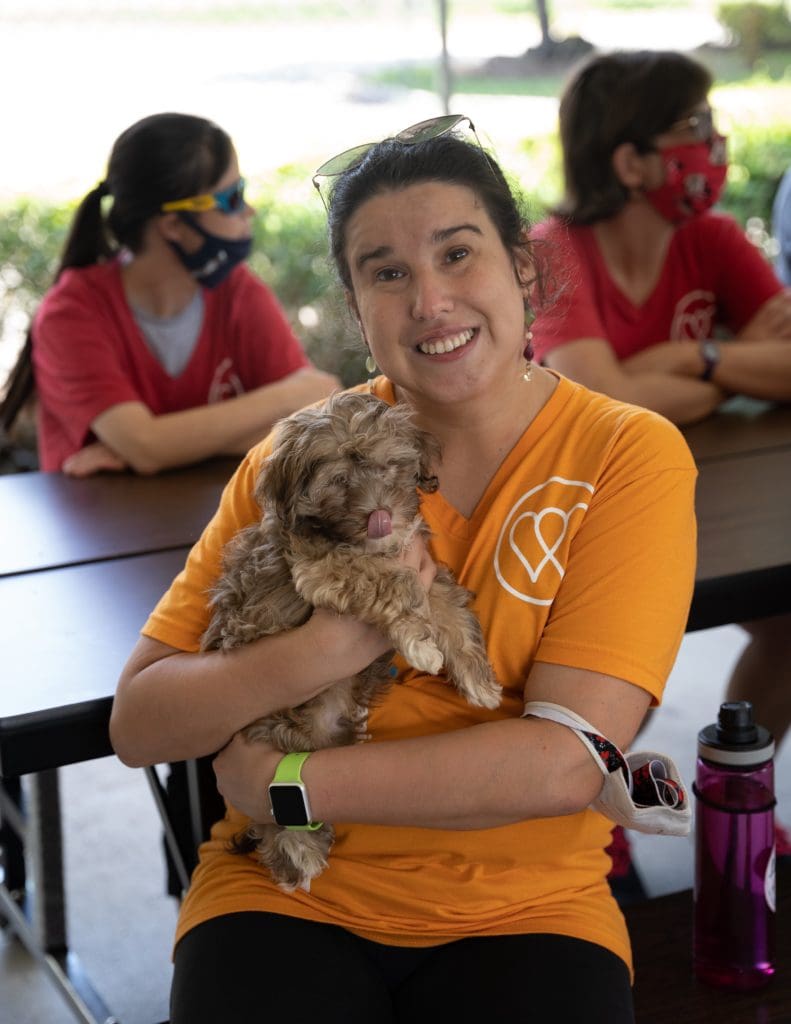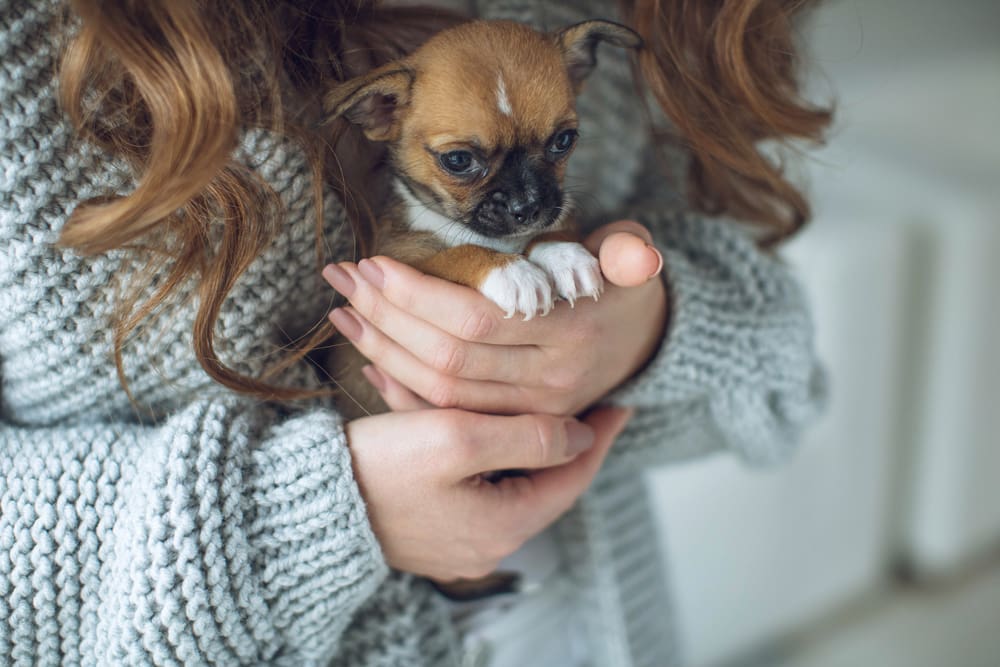
Bringing your first puppy home is thrilling and nerve-wracking all at once! You want to provide all the love and care that your fur baby will need. And you also want to troubleshoot potential problems before they start. Raising a puppy is challenging, but you can do it!
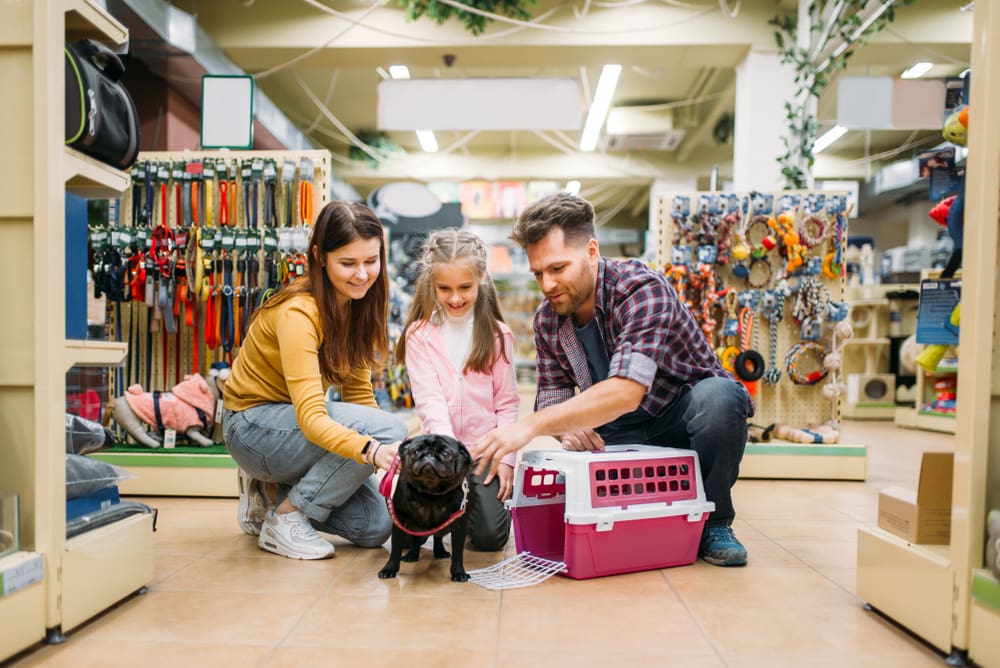
Here is Petland Miami’s tips for first-time dog owners to help you become the best puppy parent you can be.
1) RESEARCH AND BUY THE RIGHT PUPPY SUPPLIES
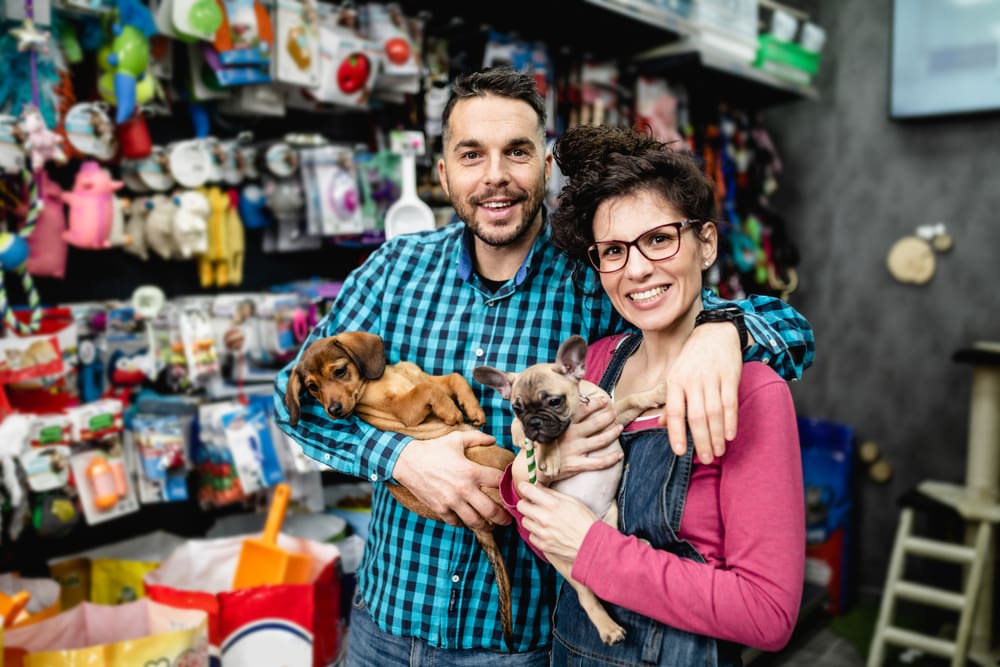
You probably have the general gist of what your new puppy needs, such as high-quality puppy food, a crate, potty training pads, and a leash. But a young puppy’s needs actually go way deeper than that. In fact, the list of puppy supplies that you should have on hand at home is quite long, and some of the specific items on your puppy’s list will be relevant to his breed.
In order to know the right supplies for your puppy, the best place to start is by researching. If you discovered this article because you were doing precisely that, then you’re in luck!
We’ve put together a literal checklist for you to reference at each step, from your pre-puppy shopping list to the list of vital contacts you’ll need on hand! Read on to see the new puppy supply checklist we’ve compiled.
Before You Bring Your Puppy Home, You Need These Items:
- Adjustable collar
- Comfortable leash
- Dog tags with your puppy’s name and current contact information
- An understanding of how to register and activate your dog’s microchip, and if your puppy won’t come microchipped, then you’ll need to buy this item
- Food and water bowls
- Healthy puppy food
- Wee wee pads
- Poop bags and holder
Additional Items to Have on Hand:
- Puzzle toys
- Puppy-proof chew toys
- Pooper scooper
- Harness
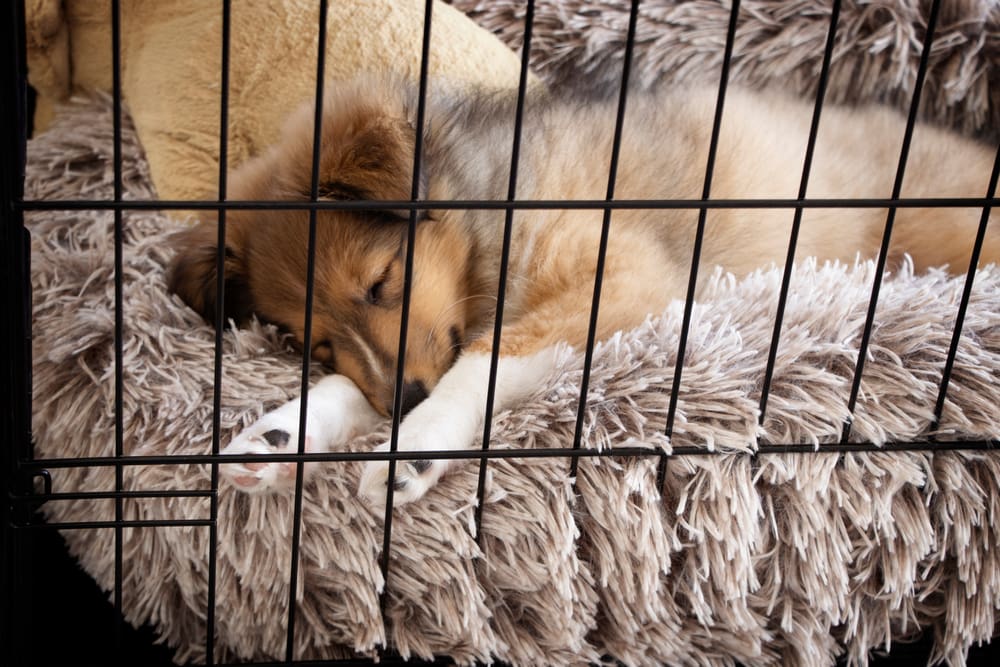
- Crate
- Dog bed
- Brush
- Grooming wipes
- Dog treats
- Dog toothpaste and toothbrush
- Dog shampoo
- Enzyme spray for housebreaking accidents
- Carpet cleaner, also for housebreaking accidents
Important Contacts to Have On Hand:
- Veterinarian
- Dog trainer
- Dog walker
- Pet sitter
- Pet insurance information
- Dog groomer
- Emergency contact friends and family members
Yes, those are a lot of items to have on hand at home for your puppy. And you may even find that as you continue to research the needs of your puppy’s specific brand that you’ll need to get even more items. Just remember, it’s better to be overly prepared than to not have the supplies that your new fur baby needs.
2) TREAT YOUR PUPPY LIKE A DOG, NOT A PERSON
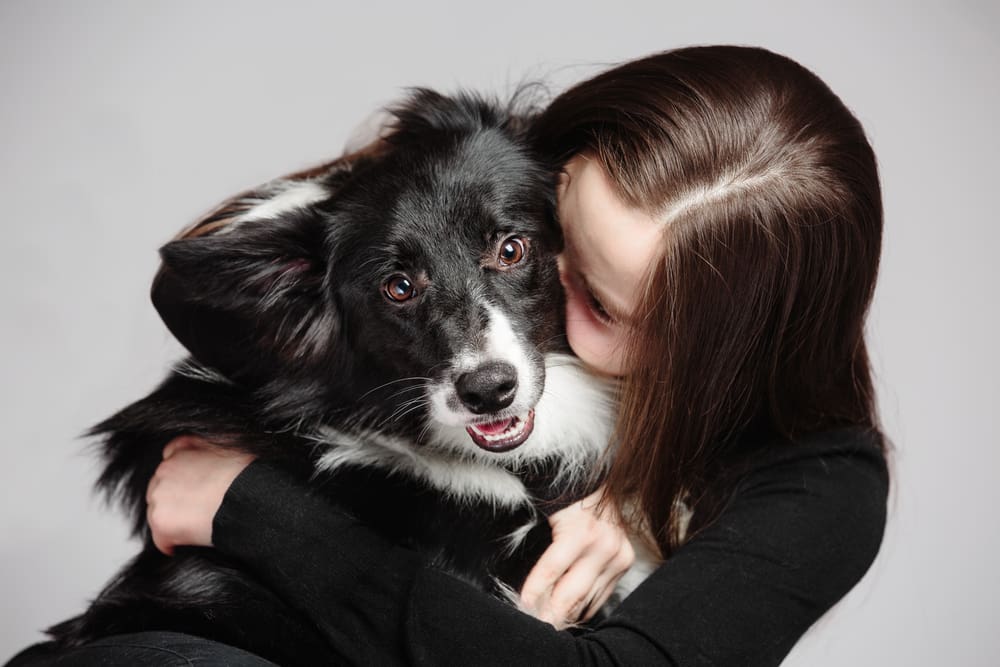
As soon as you bring your puppy home and start bonding, you’re going to fall in love! Your puppy will stick by your side, love you to the moon and back, and look up at you with those huge, expressive puppy eyes that will melt your heart.
While you and your fur baby become inseparable, it’s important to remember that your puppy is a dog and not a person. You’ll want to be sure to train him along the way so that he knows how to behave properly as the doggy member of the family. One of the biggest mistakes that new puppy parents make is to treat their puppies like humans thus allowing their fur babies to do things that they ultimately will not allow them to do once their full-grown dogs. This can be very confusing for the animal and cause frustration and hurt feelings later down the road.
For example, if you feed your puppy table scraps now, then later down the road you’ll end up with a dog that begs and might even steal food from the table when you aren’t looking. If you let your puppy sleep with you in the bed, then later on if and when you no longer want your dog to sleep in the bed, you’ll probably be met with some resistance.
3) RESEARCH THE OPTIMUM DAILY EXERCISE & NEEDS OF THE SPECIFIC BREED
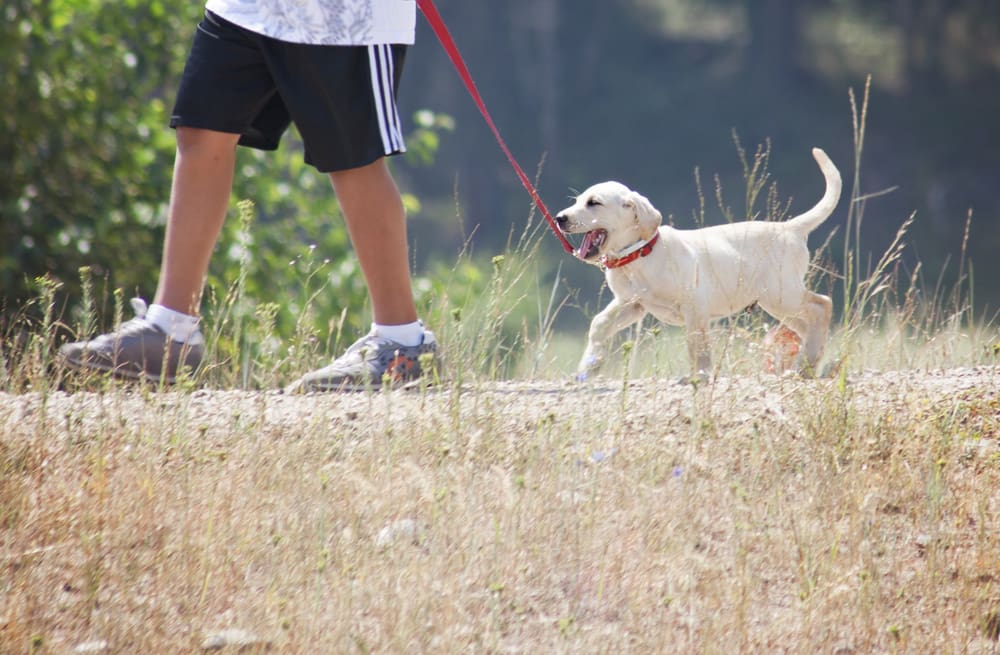
Dogs are loving, loyal, compassionate, and helpful. But even the most well-intentioned dog can become destructive within the home if his exercise needs aren’t being met. Different dog breeds require different amounts of daily exercise. Research your puppy’s breed to find out what his needs are.
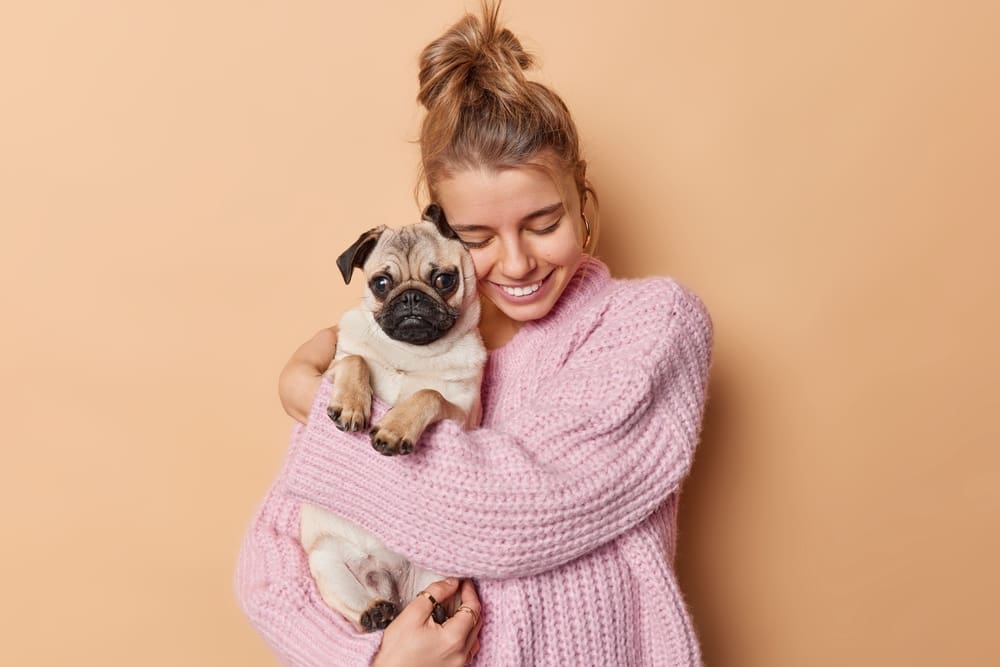
Some breeds, like the sporting breeds and working breeds, need hours of outdoor time a day to sprint, while other breeds like the pug feel best when they take a daily walk around the block for a little fresh air and sunshine. As long as you meet your puppy’s daily energy requirements, you should have a very relaxed and helpful dog around the house when he’s home.
4) FIND A GREAT VET
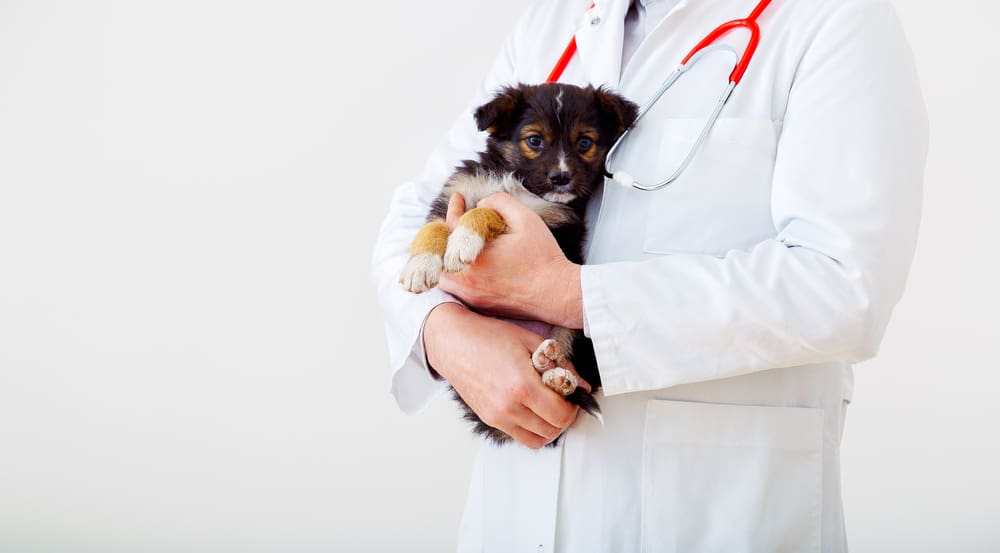
We think it’s safe to say that all veterinarians are good veterinarians, and no matter where you take your puppy, he’s sure to receive excellent healthcare. But with a little extra research and legwork, you can find a great vet for your puppy that will go above and beyond to create a wonderful vet experience for your dog.
One of the reasons that it’s so important to find a great vet is because every time your new puppy is “handled” by a stranger, he will form an impression that will either cause him to want to avoid the same experience in the future or repeat it. When a puppy has to wait in a noisy, chaotic waiting room, and is then handled roughly by an overly efficient yet completely unemotional vet, the puppy could form such a negative impression that he may fight his owner in the future to resist seeing the vet again. Some dogs have such terrible vet experiences that they won’t even get into the same car as the car they rode in to see the vet that time!
5) INVEST IN YOUR DOG’S WELLBEING FROM DAY ONE
You’ve probably noticed the running theme of this article, but we would like to take a moment to really drive the point home. Your puppy’s health and happiness should be your highest priority. This means that an investment of your time, energy, and money is needed. When you invest in your dog’s wellbeing from the very first day you bring you home, you are effectively sowing the seeds of your own future happiness. As we’ll cover in the next section, one particular investment to pour into your puppy from day one is housebreaking and general puppy training.
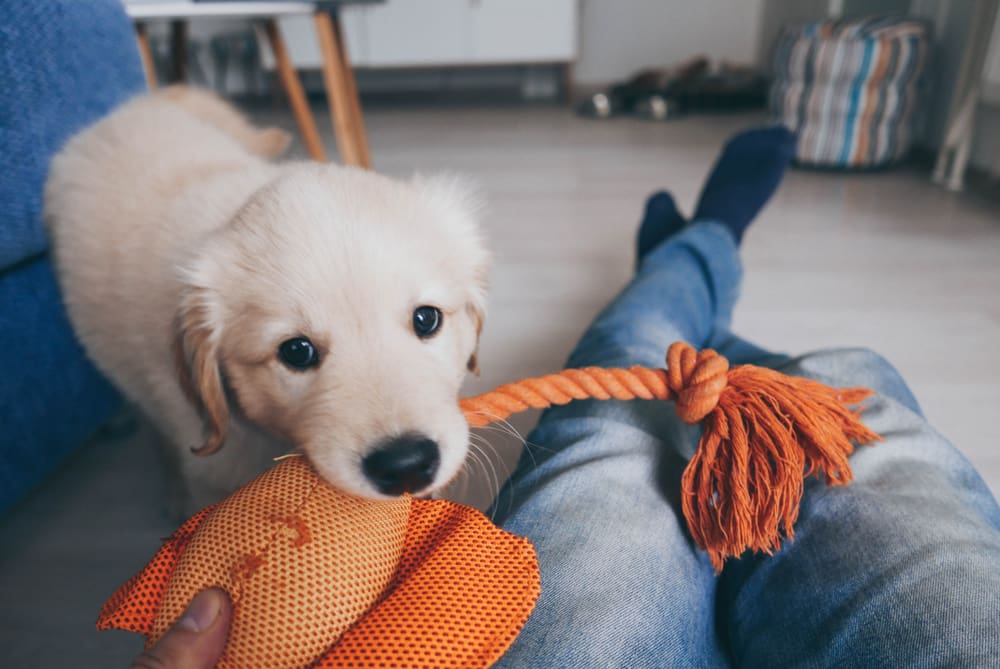
6) INTEGRATE PLAY TIME WITH TRAINING
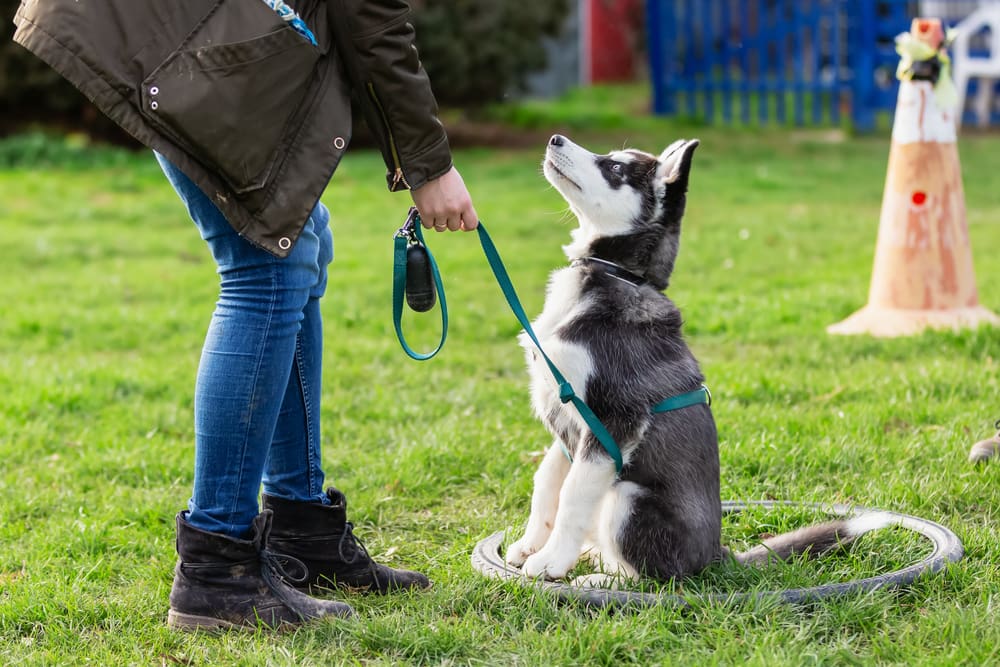
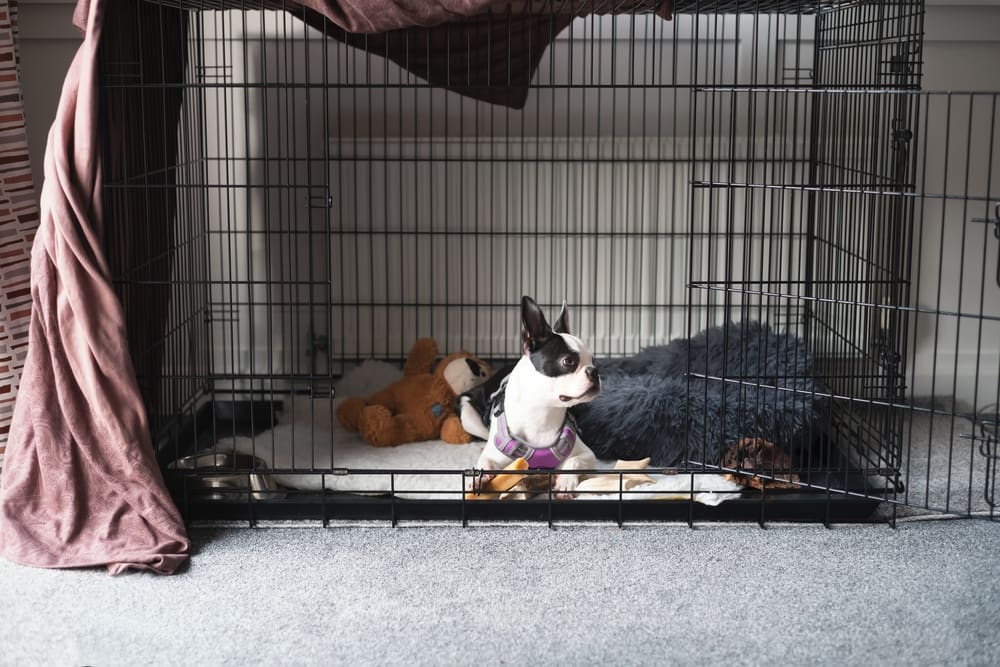
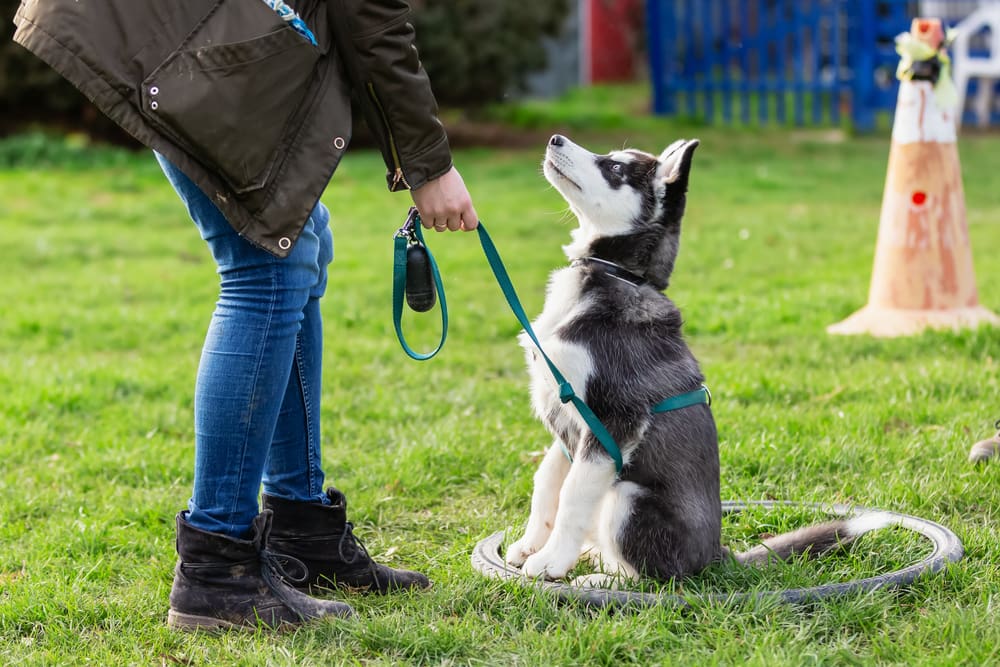
Probably the most important investment you’ll ever make in your dog will be properly training him while he’s a puppy. He will need to be housebroken, crate trained, and trained in commands and to understand the specific rules of your household. Puppy training is at its most intense during the first few weeks of having your puppy home. This is mainly due to housebreaking and the anxious training period of developing a trustworthy puppy who doesn’t go to the bathroom inside.
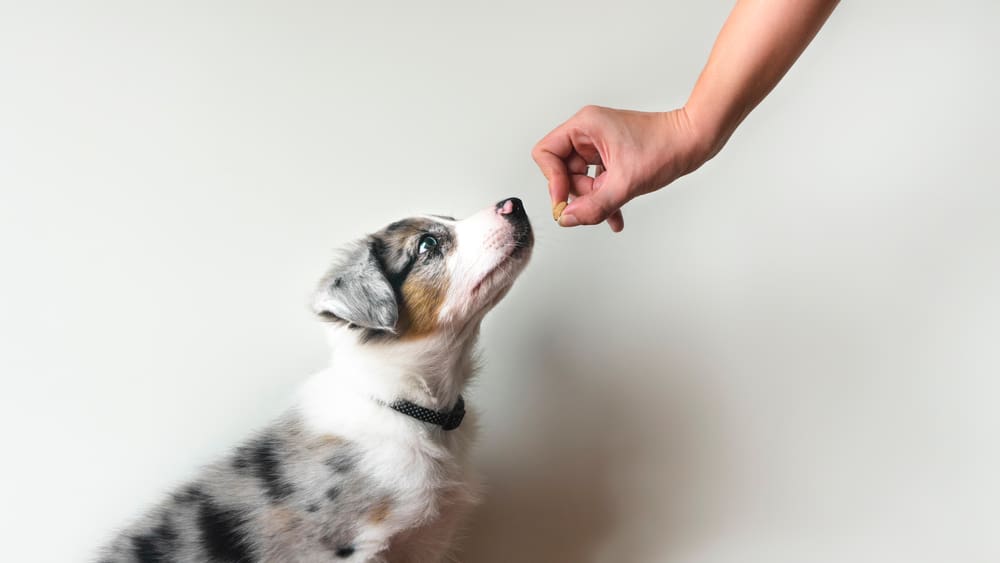
After housebreaking, general puppy training will be ongoing, and training your dog will probably continue for the rest of his life since all communication with your dog has the added benefit of teaching him new things. Your puppy will need to learn basic commands, as we mentioned a second ago. This process doesn’t have to be rigid and exhausting. In fact, it shouldn’t. It should instead be fun. Petland Miami recommends that you integrate play time with training your puppy. There are tons of fun training exercises and techniques you can find online that suggest games that will help train your new fur baby.
7) CONSIDER A PROFESSIONAL PUPPY TRAINING CLASS
Plenty of new puppy parents either foresee or realize relatively quickly that training their puppies is simply above their heads. That’s what professional puppy training classes are for, so we’d like to tell you all about this wonderful option.
There are a number of different kinds of dog training courses out there, but we’re going to focus on the courses that are specifically for young puppies. Of course, there are training classes for adult aged dogs who have behavioral issues, but that’s not what we’re going to talk about because puppies don’t need those classes.
The specific curriculum of puppy training courses will of course depend on the facility. We recommend that if you’re calling around to find the best puppy training course for you that you ask as many questions as possible, especially those that address any challenges you’ve been facing with your new furry friend.
Questions to ask a puppy training company before enrolling:
- How many weeks and how many classes per week is the whole course?
- How long is each class?
- What supplies do I need to bring? i.e. leash, toys, treats, poop bags
- What will my puppy learn?
- Are the classes inside, outside, or both?
Generally speaking, the following are typically included in most puppy training courses:
- Basic command training, i.e. down, sit, stay, roll over, come, leave it, etc.
- Behaving calmly around others, i.e. controlling impulses
- Preventing unwanted behavior, i.e. refraining from jumping up
- Toilet training
- Walking on a loose or long leash, i.e. dynamic impulse control
- Behaving relaxed, comfortable, and calm while being handled
- No nipping, biting, and how to train your puppy not to nip and bite
- Puppy owner general education to equip you to continue to train your puppy!
Whatever puppy training course you choose, you can expect the organization to use “reward based training” otherwise known as “positive reinforcement training.” This means that only good behavior and correctly obeying is rewarded. If and when your puppy fails to control himself, behaves badly, or doesn’t obey, then he receives no reward and is not permitted to continue until he holds still and gives you his full attention.
Petland Miami offers a free 6-Week Puppy Training class to new puppy parents who have bought a Petland puppy. Here’s an overview of what Petland Miami has to offer:
- Every Petland Miami puppy has access to a puppy kindergarten. These are in-store, one-hour classes held once a week that help guide you with owning and training a new puppy. Our licensed puppy trainer will teach you essential puppy training lessons such as potty training, socialization, crate training, and more!
- We host a weekly Q&A session on Zoom with one of our licensed trainers. Each person will have 5 minutes of private 1-on-1 with our trainers.
- You can schedule training classes online. Instructions for the class will be sent to your email.
- If you would like private training lessons for your puppy, speak with one of our puppy training consultants to learn more!
- Do you have questions about training your puppy? Call our training consultants at 1-800-448-2612. We’re happy to help you with any questions!
8) BE PREPARED FOR PUPPY TEETHING
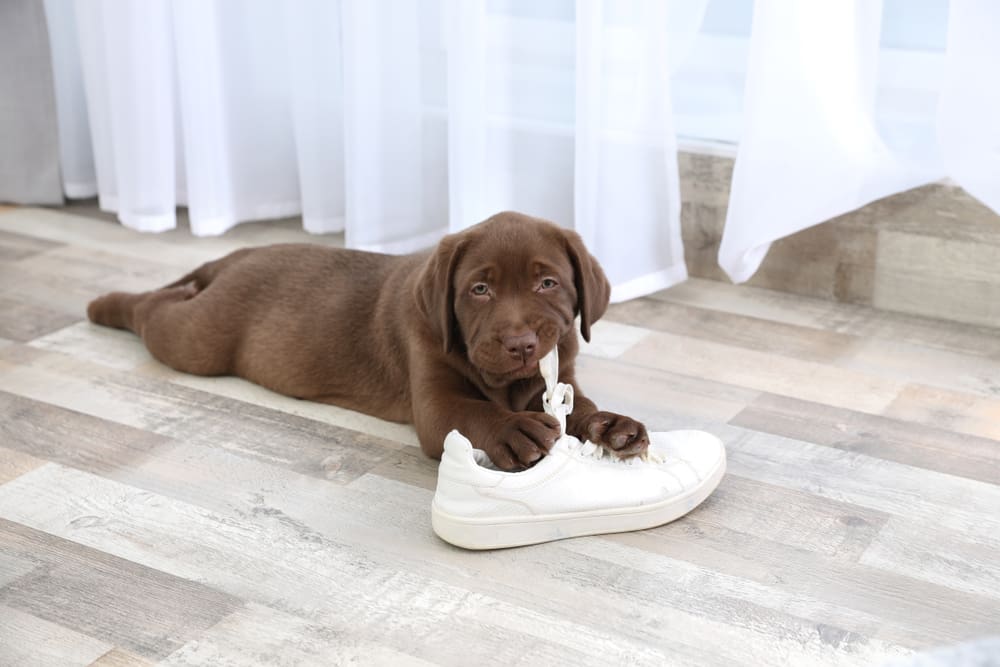
Many new puppy parents have no idea that puppies go through “teething” just like human babies do. There’s a lot you can do for your puppy to help alleviate the itchiness and pain of teething. In order to be fully prepared for this phase of your puppy’s young life, you can buy teething chew toys from your local pet store. Many teething toys are designed to be kept in the freezer so that when your puppy gnaws on the toy, it will quickly numb his gums to alleviate pain.
During this teething process, your puppy may be apt to “nip” or try to gnaw your fingers or hands. It’s really important that you don’t allow your puppy to do this. Instead, supply him with his teething chew toy when he tries to gnaw on you. The reason you shouldn’t allow your puppy to chew you and your fingers is because if he’s permitted to do this, he will develop a very bad habit of thinking it’s okay to nip, bite, and gnaw people’s hands. At a later age, your dog could accidentally really hurt someone. So, again, it’s best to instill good habits and rules from the start.
Are you ready for your very own Petland puppy? Check out our adorable breeds or stop in one of our Florida locations.
![[#26548-06] - Red F Poodle Moyen Puppies For Sale](https://www.petlandmiami.com/wp-content/uploads/2026/09/3012454b0bef3d2-bb56-4a7f-b4cf-f372b1d8693a6moyen.jpg)
![[#26548-05] - Red F Poodle Moyen Puppies For Sale](https://www.petlandmiami.com/wp-content/uploads/2026/09/30124531b711561-44db-485b-ad63-0d43c32aa8795moyen.jpg)
![[#26296-01] - Brown / White M Beagle Puppies For Sale](https://www.petlandmiami.com/wp-content/uploads/2026/09/3007243c9415689-9d98-46d1-a285-eaee9d9012f1IMG_7530.jpg)
![[#26287-04] - Black / White M Akita Puppies For Sale](https://www.petlandmiami.com/wp-content/uploads/2026/09/3000811ababf7af-9aaf-4539-b11c-68d97d2b670eIMG_6257.jpg)
![[#26286-02] - Sable M Collie Puppies For Sale](https://www.petlandmiami.com/wp-content/uploads/2026/09/30020825268dcf6-b76d-4734-8fce-d759048dfb55IMG_6577.jpg)
![[#26549-01] - Chocolate M ShihPoo Puppies For Sale](https://www.petlandmiami.com/wp-content/uploads/2026/09/3013510123acd10-f85e-49e0-8677-4c30c37c3bbb1spoo.jpg)
![[#261829-03] - Apricot M Cavachon Puppies For Sale](https://www.petlandmiami.com/wp-content/uploads/2026/09/301800527b890b9-700b-410e-bacb-1ed48afbf590IMG_8876.jpeg)
![[#261817-04] - Red M Poodle Puppies For Sale](https://www.petlandmiami.com/wp-content/uploads/2026/09/3018088eb64b5ef-3b58-4543-9d58-f37da5564794IMG_2446.jpeg)
![[#2696-02] - Chocolate / White M Havanese Puppies For Sale](https://www.petlandmiami.com/wp-content/uploads/2026/09/Screenshot-Edited-15-1024x1024.png)
![[#2693-02] - Cream M Pomeranian Puppies For Sale](https://www.petlandmiami.com/wp-content/uploads/2026/09/Screenshot-Edited-14-1024x1024.png)