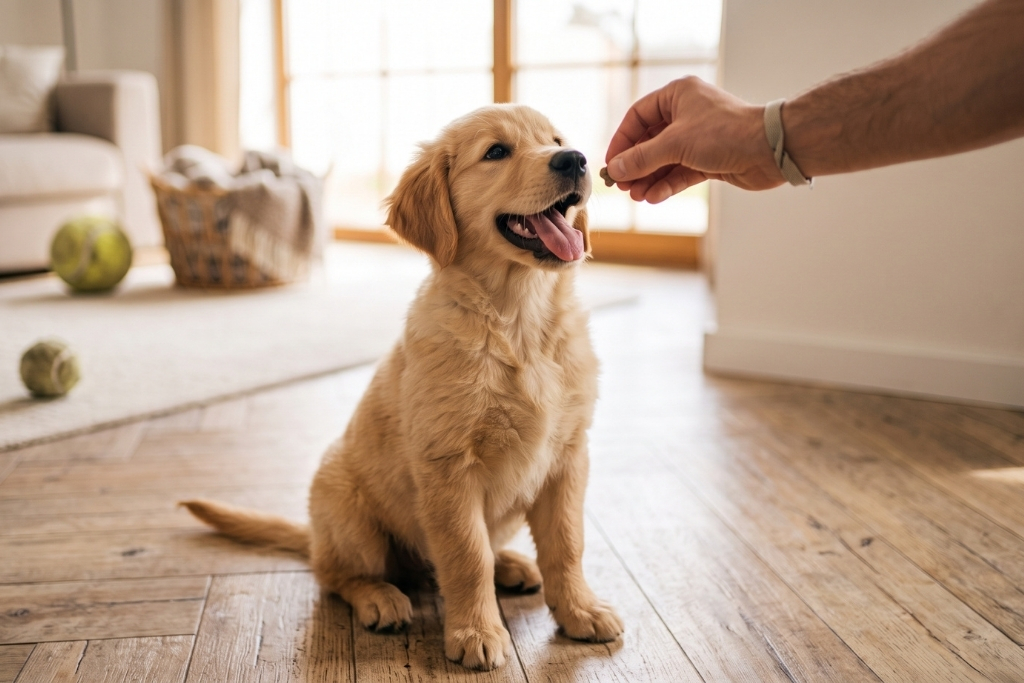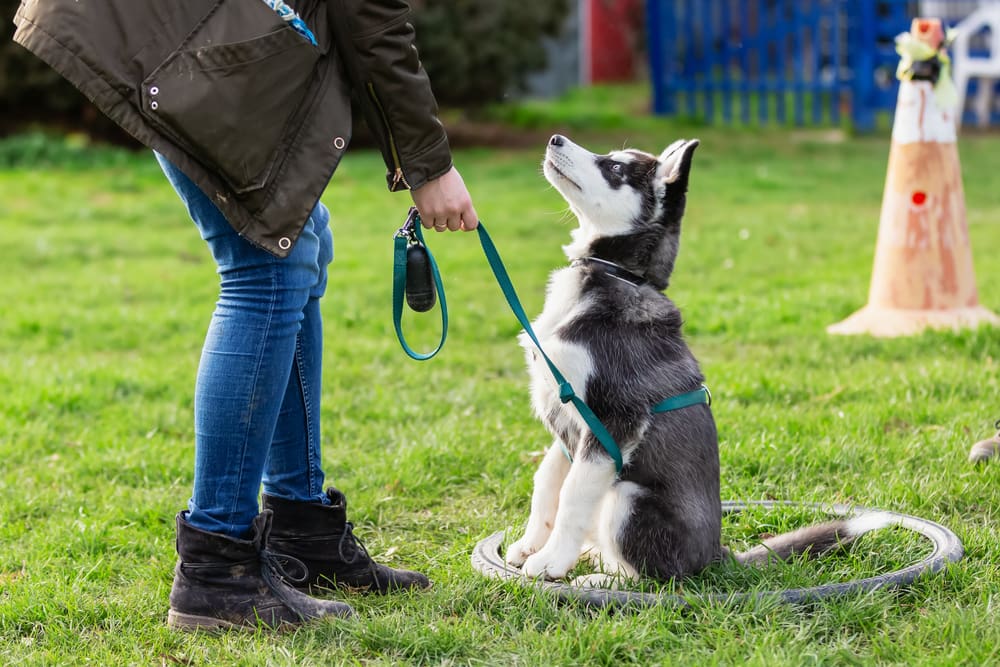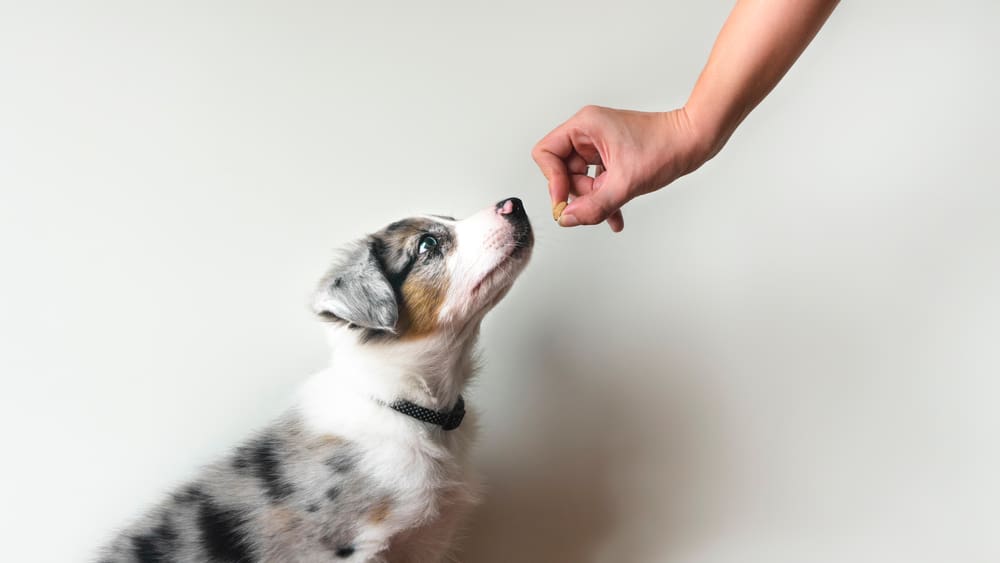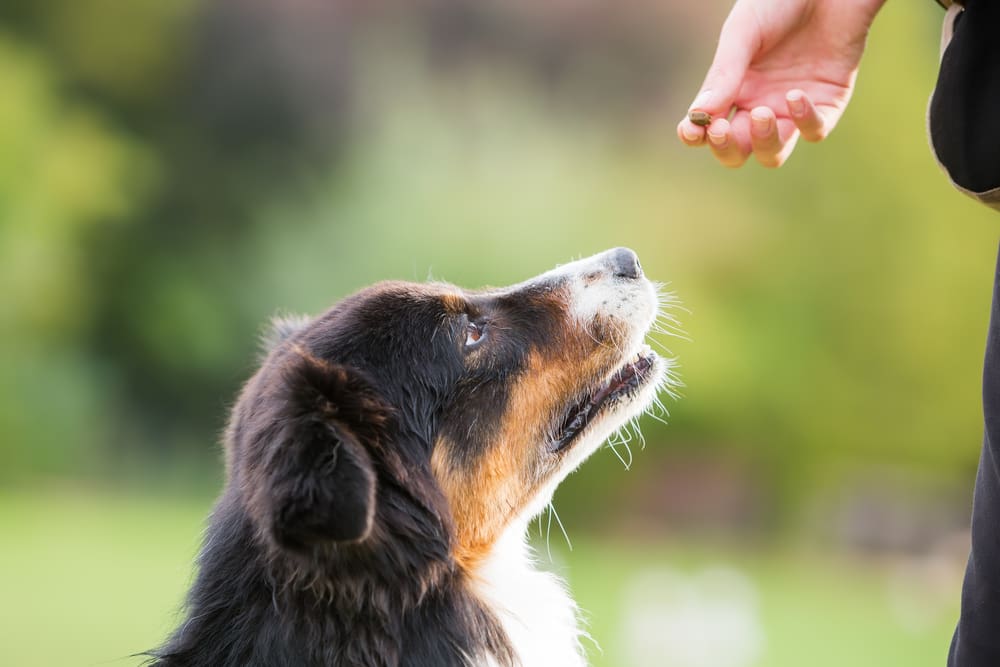
The best way to your puppy’s heart is through their tummy. Like humans, dogs love all kinds of food. If it were up to them, they would munch on snacks and treats every day. That’s why, whether it’s training or playtime, dog treats are an effective way to get your puppy’s attention.
But with so many choices available, how do you know what treats are the healthiest for your furry friend? When choosing a dog treat, the trick is to review the ingredients. In the same way you check your puppy’s food, their treats should also be nutritious and yummy. You must also consider any food allergies your pup may have.
If you aren’t sure where to start, we have a few tips that can help you make the best decisions for your furry bestie!
1. Make sure your puppy’s treats have natural ingredients.
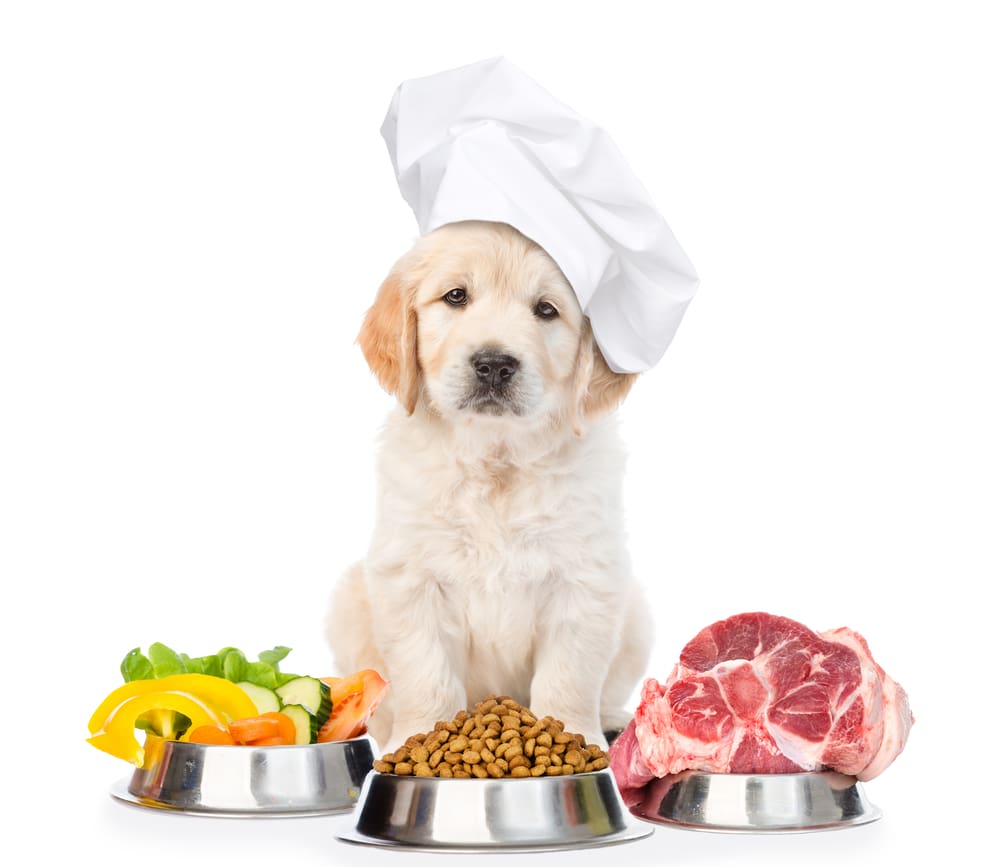
All dog treats should contain all natural or organic ingredients. When a food or treat contains all-natural ingredients, it’s less likely to have any kind of chemical or artificial additives that can be bad for your puppy’s health. Some natural ingredients that your puppy’s dog treats should have include Vitamin C and E, molasses, and vegetable glycerin.
Along with their dog food, your puppy can get the minerals and other nutrients they need through their dog treats, including calcium, phosphorus, and protein. One key tip we recommend is checking what foods are listed at the beginning of the ingredients list. Remember: the sooner an ingredient appears, the more of it your dog’s treats have.
2. Avoid treats with artificial or unhealthy ingredients.
Your puppy’s treats should not contain excessive amounts of sugar, salt, or fat. Too much of these ingredients can cause a number of health problems, including obesity and diabetes. We also recommend avoiding any treats with sweeteners, chemical additives, and artificial colors. These ingredients promote an unhealthy diet, even if your puppy loves to eat them! Also, if your dog’s treats have an endless list of random or complicated ingredients, you’re better off leaving them on the shelf.
3. Your puppy’s treats should be low in calories.
Most veterinarians recommend that dogs get their daily nutritional and caloric intake from dog food. In the case of treats, your puppy should get no more than about 10% of your dog’s daily calories. So, make sure your puppy’s treats are low in calories so that they can quench their hunger until their actual mealtime. If you’re training your puppy, it also prevents your pup from losing their appetite.
🍂 Fall in Love Puppy Sale 🍂
Leaves are falling. Puppies are calling.
Special fall pricing on select puppies
If you’re not sure how many calories your puppy needs on a daily basis, ask your veterinarian. Most of the time, a puppy’s caloric intake depends on their size, breed, and activity level.
4. Take note of your puppy’s allergies or other conditions.
Your puppy may have certain food sensitivities or conditions that prevent them from eating some foods. Ask your veterinarian on the types of food your puppy can or cannot eat. This will help you choose the right treats for your puppy while shopping. It also helps to keep track of foods that are toxic to dogs in general. For instance, if you decide to give your puppy human foods as treats, you will need to check that it isn’t dangerous to their health like onions, grapes, chocolate, and garlic. Check out our blog, Human Foods Your Pup Can and Can’t Eat to learn more about healthy foods for your puppy.
5. Try to make dog treats yourself.
Want to make sure your puppy eats a healthy treat? Make some doggy treats for them! There are numerous dog treats recipes available online and in cookbooks that are both nutritious and low in calories. Again, make sure the ingredients in each recipe are safe for dogs to eat. You can also offer your puppy safe human foods like peanut butter, honey, plain yogurt, and even popcorn (the unsalted, unbuttered variety, of course!). These foods should not contain excessive sugar, fats, or salt. Also, when it comes to peanut butter, be sure that it does not contain xylitol as it’s extremely toxic to dogs.
Don’t let your puppy eat dog treats before their meals. Doing so can cause your furry friend to lose their appetite. Now, choosing your puppy’s treats doesn’t have to be an impossible task. Taking a few moments of your day to pick out the best snacks and rewards can deepen your bond with your furry friend! And if you’re curious about how you can improve your puppy’s health, read our blog, Choosing the Right Food for Your Puppy.
![[#26240-01] - Apricot M Cavapoo Puppies For Sale](https://www.petlandmiami.com/wp-content/uploads/2026/09/Screenshot-Edited-39.jpg)
![[#26252-07] - Black / Tan F German Shepherd Dog Puppies For Sale](https://www.petlandmiami.com/wp-content/uploads/2026/09/Screenshot-Edited-30-930x1024.jpg)
![[#26245-03] - Silver M Pomsky 2nd Gen Puppies For Sale](https://www.petlandmiami.com/wp-content/uploads/2026/09/Screenshot-Edited-31.jpg)
![[#26221-04] - Blue / White M Italian Greyhound Puppies For Sale](https://www.petlandmiami.com/wp-content/uploads/2026/09/Screenshot-Edited-38.jpg)
![[#26220-01] - Blue / White F Boston Terrier Puppies For Sale](https://www.petlandmiami.com/wp-content/uploads/2026/09/Screenshot-Edited-40.jpg)
![[#26218-01] - Chocolate M Chihuahua Puppies For Sale](https://www.petlandmiami.com/wp-content/uploads/2026/09/Screenshot-Edited-37.jpg)
![[#261636-03] - Chocolate / Tan F Yorkiepoo Puppies For Sale](https://www.petlandmiami.com/wp-content/uploads/2026/09/Screenshot-Edited-34.jpg)
![[#261540-06] - Brown / White F Shih Tzu Puppies For Sale](https://www.petlandmiami.com/wp-content/uploads/2026/09/Screenshot-2.jpg)
![[#2689-03] - Golden M Golden Retriever Puppies For Sale](https://www.petlandmiami.com/wp-content/uploads/2026/09/Screenshot-Edited-28-917x1024.jpg)